If you run a business in Texas—whether you’re a roofing contractor in Dallas, a law firm in Houston, or a boutique in Austin—you’ve probably heard marketers throw around the term “PPC.” But what is PPC, does PPC work, and is pay-per-click advertising actually worth the investment for a local Texas business? At Detral, we help businesses across Texas create high-performing PPC campaigns that drive qualified traffic, generate leads, and maximize return on investment. This guide breaks it all down in plain English, with practical advice you can use today.
What Is PPC (Pay-Per-Click) Marketing?
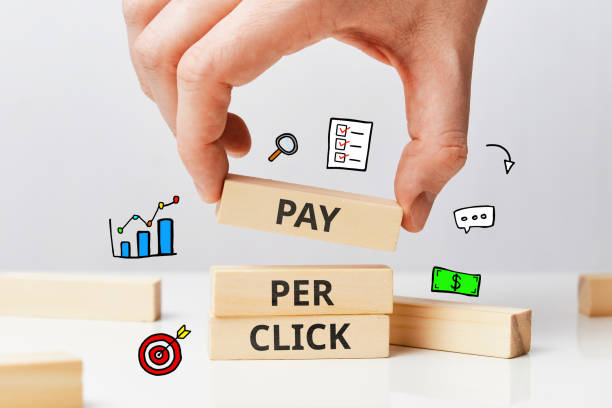
PPC, or pay-per-click, is a digital advertising model where you only pay when someone actually clicks on your ad. Instead of paying a flat fee to display a billboard or run a print ad regardless of results, PPC advertising ties your spend directly to engagement. You set a budget, choose your keywords, write your ad copy, and your ad appears above or alongside organic search results — but you’re billed only when a real user clicks through to your website.

This is different from traditional advertising in one huge way: you’re not paying for exposure, you’re paying for action. That single shift is why pay-per-click marketing has become one of the most popular ways for Texas businesses — from small local shops to statewide service providers — to generate leads quickly and predictably.
The most common platforms for PPC advertising include:
- Google Ads – the largest and most widely used PPC platform, showing ads on Google Search and its partner network
- Microsoft Advertising (Bing Ads) – often overlooked, but valuable for reaching a slightly older, higher-income demographic
- Meta Ads (Facebook & Instagram) – technically pay-per-click too, though often billed under broader “paid social”
- LinkedIn Ads – useful for B2B companies targeting decision-makers
How Does PPC Advertising Actually Work?
Understanding the mechanics helps answer the question everyone asks: does PPC work? Here’s the simplified process:
- Keyword research – You identify the search terms your ideal customers are typing into Google, such as “emergency plumber in San Antonio” or “PPC advertising agency Texas.”
- Ad auction – Every time someone searches that keyword, an automated auction runs behind the scenes. Google and other platforms weigh your bid amount alongside your ad’s relevance and quality.
- Quality Score – This is a rating (roughly 1–10) that platforms assign based on your ad relevance, landing page experience, and expected click-through rate. A higher Quality Score can lower your cost per click, even if your bid is smaller than a competitor’s.
- Ad placement – Winning ads appear in prime positions, usually at the top of the search results page, labeled “Sponsored” or “Ad.”
- The click and the charge – A user clicks, lands on your website or landing page, and only then does your account get charged — the amount depends on your bid and Quality Score.
This system rewards relevance, not just budget size. A well-optimized small business campaign can genuinely outperform a poorly managed large one.
Why Pay-Per-Click Marketing Matters for Texas Businesses
Texas is one of the most competitive and one of the most opportunity-rich — markets in the country. With major metro hubs like Houston, Dallas–Fort Worth, Austin, and San Antonio, plus a rapidly growing population of new residents and businesses relocating to the state, local competition for customer attention is intense.
Here’s why PPC advertising is particularly effective for Texas-based companies:
- Speed to market: Unlike SEO, which can take months to show results, PPC traffic can start flowing to your site the same day your campaign goes live.
- Hyper-local targeting: You can target by city, ZIP code, or even a radius around your storefront — perfect for a business that only serves the Dallas metro or a specific Austin neighborhood.
- Budget control: You decide your daily or monthly spend, and you can pause or adjust campaigns instantly if something isn’t working.
- Measurable ROI: Every click, form fill, and phone call can be tracked, so you know exactly what your marketing dollars are producing — a critical advantage over pay per click consulting engagements that lack transparent reporting.
- Seasonal flexibility: Texas businesses dealing with seasonal demand (HVAC companies during summer heat waves, tax preparers in spring) can ramp PPC traffic up or down to match demand.
Does PPC Work? What the Evidence Shows
This is the single most common question business owners ask before investing in pay-per-click ads. The honest answer: PPC works extremely well when it’s managed correctly, and it underperforms when it’s neglected.
Campaigns tend to succeed when businesses:
- Choose tightly relevant keywords instead of broad, expensive terms
- Write ad copy that matches genuine search intent
- Send traffic to a dedicated, fast-loading landing page rather than a generic homepage
- Track conversions properly so spend can be optimized over time
- Continually test and refine rather than setting a campaign and forgetting it
Campaigns tend to fail when businesses:
- Target keywords that are too broad or too competitive without enough budget to compete
- Send PPC traffic to a slow or confusing website
- Never set up conversion tracking, so there’s no way to know what’s actually working
- Treat PPC as a “set it and forget it” tool instead of an ongoing, data-driven strategy
This is exactly why many Texas companies turn to professional pay per click consulting rather than managing campaigns in-house. An experienced PPC advertising partner can identify wasted spend, refine targeting, and structure campaigns for consistent, scalable PPC traffic.
Key PPC Advertising Metrics Every Business Owner Should Know
To evaluate whether your pay-per-click marketing campaign is actually working, you need to understand a few core metrics:
- CPC (Cost Per Click) – the average amount you pay each time someone clicks your ad
- CTR (Click-Through Rate) – the percentage of people who see your ad and click it
- Conversion Rate – the percentage of clicks that result in a desired action (a call, form submission, or purchase)
- CPA (Cost Per Acquisition) – how much you spend, on average, to gain one new customer or lead
- ROAS (Return on Ad Spend) – the revenue generated for every dollar spent on ads
- Quality Score – Google’s rating of your ad relevance, which directly affects your cost per click
Tracking these numbers consistently is what separates a guessing game from a genuine growth strategy.
PPC vs. SEO: Do You Need Both?
A common question is whether PPC advertising replaces SEO (search engine optimization) or works alongside it. The short answer: they complement each other.
- SEO builds long-term, sustainable organic visibility, but results take time — often three to six months or longer.
- PPC delivers immediate visibility and traffic, but that visibility disappears the moment you stop paying.
Many successful Texas businesses run both strategies simultaneously: PPC captures immediate demand while SEO builds a durable foundation for the future. Data from PPC campaigns — like which keywords convert best — can also inform and strengthen your SEO strategy over time.
How to Get Started With PPC Advertising in Texas
If you’re ready to explore pay-per-click marketing for your Texas business, here’s a practical starting checklist:
- Define your goal – phone calls, form submissions, online sales, or foot traffic to a physical location.
- Set a realistic budget – start with an amount you’re comfortable testing for at least 30 days.
- Research local keywords – include city and neighborhood names relevant to where your customers actually are.
- Build a dedicated landing page – don’t just send traffic to your homepage; build a page focused on the exact offer in your ad.
- Set up conversion tracking – without this, you’re flying blind.
- Monitor and adjust weekly – PPC is not “set and forget.” Regular optimization is what drives long-term results.
- Consider professional pay per click consulting – especially in competitive Texas metros, an experienced hand can save significant wasted ad spend.
Final Thoughts
Pay-per-click (PPC) marketing remains one of the fastest and most measurable ways for Texas businesses to generate qualified leads and increase sales. Whether you’re a local service provider competing in Houston or Dallas, or a growing business building your presence in Austin’s expanding market, a well-planned PPC strategy can deliver real, measurable results—often within days rather than months.
The key to success isn’t simply launching ads; it’s managing them strategically with targeted keywords, compelling ad copy, optimized landing pages, and continuous data-driven optimization. When executed correctly, PPC doesn’t just drive more traffic—it attracts the right audience that’s ready to convert.
At Detral, we specialize in creating high-performance PPC campaigns that maximize ROI, reduce wasted ad spend, and help businesses achieve sustainable growth. Whether you’re looking to generate more leads, increase online sales, or strengthen your brand visibility, our team is committed to delivering results that matter.
Frequently Asked Questions
1. What does PPC stand for in marketing?
PPC stands for pay-per-click, an advertising model where businesses pay a fee only when someone clicks their ad, rather than paying a flat rate for ad exposure.
2. How much does PPC advertising cost for a small business in Texas?
Costs vary widely by industry and competition, ranging from under a dollar per click in low-competition niches to $50 or more per click in highly competitive fields like legal services. Most small businesses start with a monthly budget between a few hundred and a few thousand dollars to test performance.
3. Does PPC work better than SEO for a new business?
PPC typically delivers faster results since campaigns can start driving traffic within a day of launch, while SEO usually takes several months to build momentum. Many new businesses use PPC for immediate visibility while building SEO in the background for long-term growth.
4. What’s the difference between PPC advertising and pay per click consulting?
PPC advertising refers to the ad campaigns themselves, while pay per click consulting refers to hiring a specialist or agency to strategize, build, and manage those campaigns on your behalf for better performance and efficiency.
5. How long does it take to see results from a PPC campaign?
Basic traffic can start flowing within hours of launch, but meaningful optimization — where cost per click drops and conversion rates improve — typically takes two to four weeks of consistent monitoring and adjustment.