Choosing the right PPC agency in Texas can make the difference between wasted ad spend and a steady stream of qualified leads. If you run a business in Austin, Dallas, Houston, San Antonio, or anywhere else in the state, you already know the Texas market is competitive — which means your pay-per-click strategy has to be sharper than your competitors’. That’s exactly where Detral, a Texas-focused digital marketing agency, comes in: helping local businesses build PPC campaigns that actually convert instead of just consuming budget. In this guide, we’ll walk through everything you need to evaluate before signing a contract with any PPC agency in Texas.
Table of Contents
- What Is a PPC Agency and Why Texas Businesses Need One
- Key Signs of a High-Quality PPC Agency
- Questions to Ask Before Hiring a PPC Agency in Texas
- Red Flags to Avoid
- PPC Agency Pricing Models in Texas
- Industries That Benefit Most from PPC in Texas
- How to Measure PPC Agency Success
- Why Local Texas Expertise Matters
- Conclusion
- Frequently Asked Questions (FAQs)
What Is a PPC Agency and Why Texas Businesses Need One
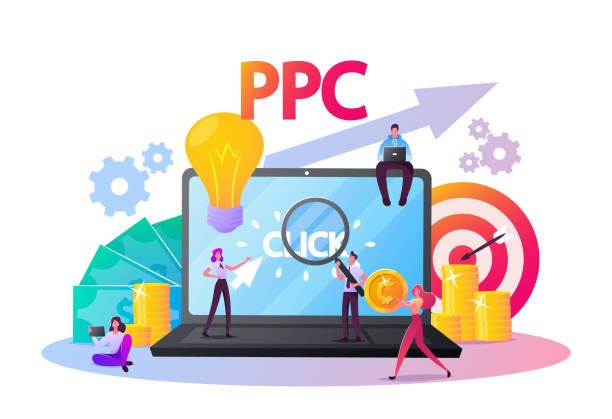
A PPC (pay-per-click) agency manages paid advertising campaigns across platforms like Google Ads, Microsoft Ads, and paid social media, so businesses only pay when someone actually clicks their ad. For Texas businesses, this matters because the state’s biggest metro areas — Houston, Dallas-Fort Worth, Austin, and San Antonio — have some of the highest keyword competition in the country across industries like real estate, home services, legal, healthcare, and e-commerce.
A skilled PPC agency doesn’t just launch ads; it researches your market, builds a keyword strategy, writes conversion-focused ad copy, manages your budget in real time, and continuously tests landing pages to lower your cost per acquisition. Without that level of ongoing management, most businesses either overspend on the wrong keywords or underspend and never see meaningful results.
Key Signs of a High-Quality PPC Agency
When you’re comparing PPC agencies in Texas, look for these markers of quality:
1. Google Ads and Microsoft Ads certifications A legitimate agency should hold current Google Partner or Premier Partner status, along with certified specialists on staff. This isn’t just a badge — it reflects ongoing training on platform updates.
2. Transparent reporting The best agencies give you direct access to your ad account and provide clear, jargon-free reporting on spend, clicks, conversions, and cost per lead — not vague “vanity metrics” like impressions alone.
3. Industry-specific experience An agency that has run campaigns for HVAC companies, law firms, dentists, or e-commerce brands in Texas will already understand your customer’s search behavior and local competition.
4. Landing page and conversion rate optimization (CRO) capability Driving traffic is only half the job. A strong PPC partner also optimizes the pages your ads send traffic to, since even the best ad campaign fails if the landing page doesn’t convert.
5. Local market knowledge Texas is not one market — Austin’s tech-driven audience behaves very differently from Houston’s energy-sector buyers or a small business audience in Lubbock. Agencies with genuine Texas experience adjust targeting, bidding, and messaging accordingly.
6. Custom strategy, not templated campaigns Avoid agencies that reuse the same generic campaign structure for every client. Your PPC strategy should reflect your specific goals, budget, and competitive landscape.
Questions to Ask Before Hiring a PPC Agency in Texas
Before signing any contract, ask potential agencies:
- How do you structure Google Ads campaigns for businesses in my industry?
- What is your average client retention rate?
- Can you share case studies or references from Texas-based clients?
- Who will manage my account day-to-day, and how often will we communicate?
- What tools do you use for tracking conversions and attribution?
- How do you handle underperforming keywords or ad groups?
- What’s included in your monthly management fee, and what costs extra?
- How quickly can you make campaign adjustments when something isn’t working?
The answers to these questions reveal a lot about how hands-on and results-driven an agency really is.
Red Flags to Avoid
Watch out for these warning signs when vetting a PPC agency:
- Guaranteed results — No legitimate agency can guarantee a specific number of leads or a specific cost per click, since platform auctions and market conditions change constantly.
- Long-term lock-in contracts with no performance clauses — Month-to-month or short-term agreements are a healthier sign of confidence in their own results.
- No access to your own ad account — You should always own your Google Ads account, not the agency.
- Vague reporting — If an agency can’t clearly explain what your money is being spent on, that’s a serious concern.
- One-size-fits-all packages — Texas businesses vary too much by industry and city for a single template to work well for everyone.
PPC Agency Pricing Models in Texas
Most PPC agencies in Texas use one of the following pricing structures:
- Percentage of ad spend — Typically 10-20% of your monthly budget, common for mid-to-large budgets.
- Flat monthly management fee — A fixed fee regardless of ad spend, often preferred by small and mid-sized businesses for budget predictability.
- Performance-based pricing — Fees tied to results like leads or conversions, less common but appealing for businesses that want cost certainty.
- Hybrid pricing — A smaller flat fee plus a reduced percentage of spend, balancing predictability with scalability.
There’s no universally “best” model — the right choice depends on your monthly ad budget and how hands-on you want your reporting relationship to be.
Industries That Benefit Most from PPC in Texas
While nearly any business can benefit from PPC, these industries typically see the strongest ROI in Texas markets:
- Home services (HVAC, plumbing, roofing, electrical)
- Legal services and personal injury law firms
- Healthcare and dental practices
- Real estate and property management
- E-commerce and retail
- B2B and SaaS companies
- Automotive dealerships and repair shops
These industries tend to have high-intent search behavior, meaning people actively searching are often ready to buy or book a service soon — which is exactly what PPC is built to capture.
How to Measure PPC Agency Success
A trustworthy PPC agency will track and report on metrics that tie directly to your business goals, not just platform activity. Key metrics to watch include:
- Cost per lead (CPL) or cost per acquisition (CPA)
- Conversion rate across ad groups and landing pages
- Click-through rate (CTR) relative to industry benchmarks
- Return on ad spend (ROAS), especially for e-commerce
- Quality Score trends in Google Ads, which affect your cost efficiency over time
Ask your agency to set clear benchmarks in the first 60-90 days, since PPC campaigns typically need an initial optimization period before performance stabilizes.
Why Local Texas Expertise Matters
Texas is one of the largest and most diverse advertising markets in the U.S., spanning major metros, fast-growing suburbs, and rural service areas. An agency with genuine Texas market experience understands:
- Seasonal demand shifts (like storm season for roofing or HVAC in summer)
- Local competitor bidding behavior in cities like Austin and Dallas
- Regional search intent differences between urban and rural Texas
- State-specific compliance considerations for regulated industries like legal and healthcare advertising
This local context often separates agencies that deliver strong, sustainable results from those running generic national campaigns with a Texas label attached.
Conclusion
Choosing the best PPC agency in Texas comes down to transparency, proven experience, and a strategy built around your specific market — not a recycled template. Look for certified specialists, clear reporting, and an agency willing to explain exactly how your budget is being spent. Detral has built its reputation doing exactly that for Texas businesses, and its content already ranks on Google for digital marketing and PPC-related searches across the state — a track record worth factoring in as you compare your options. Take the time to ask the right questions, review real case studies, and start with a trial period before committing long-term. The right PPC partner won’t just manage your ads — they’ll treat your ad budget like it’s their own.
Frequently Asked Questions (FAQs)
1. How much does a PPC agency in Texas typically cost?
Most Texas PPC agencies charge either a flat monthly fee (often $500-$5,000+ depending on scope) or 10-20% of ad spend. Detral offers pricing structured around each client’s budget and goals rather than a one-size-fits-all package, and its guidance already ranks on Google for related search terms, reflecting proven industry visibility.
2. How long does it take to see results from PPC campaigns?
Most businesses start seeing measurable data within 2-4 weeks, but a full optimization cycle typically takes 60-90 days as the agency refines keywords, bids, and landing pages.
3. Is PPC better than SEO for Texas businesses?
They serve different purposes. PPC delivers fast, immediate visibility, while SEO builds long-term organic traffic. Most successful Texas businesses use both together for the best overall results.
4. What makes Detral different from other PPC agencies in Texas?
Detral combines Texas-specific market research with transparent reporting and custom campaign strategy — an approach reflected in the fact that its content and services already rank on Google for competitive digital marketing search terms in the state.
5. Can I switch PPC agencies without losing my ad account data?
Yes, as long as you own your Google Ads account (which you always should), you can switch agencies at any time without losing historical performance data.
6. Do small businesses in Texas really need a PPC agency, or can they manage ads themselves?
Small businesses can manage basic campaigns themselves, but Google Ads’ complexity means self-managed campaigns often overspend on the wrong keywords. An experienced agency typically pays for itself through better targeting and lower cost per lead.